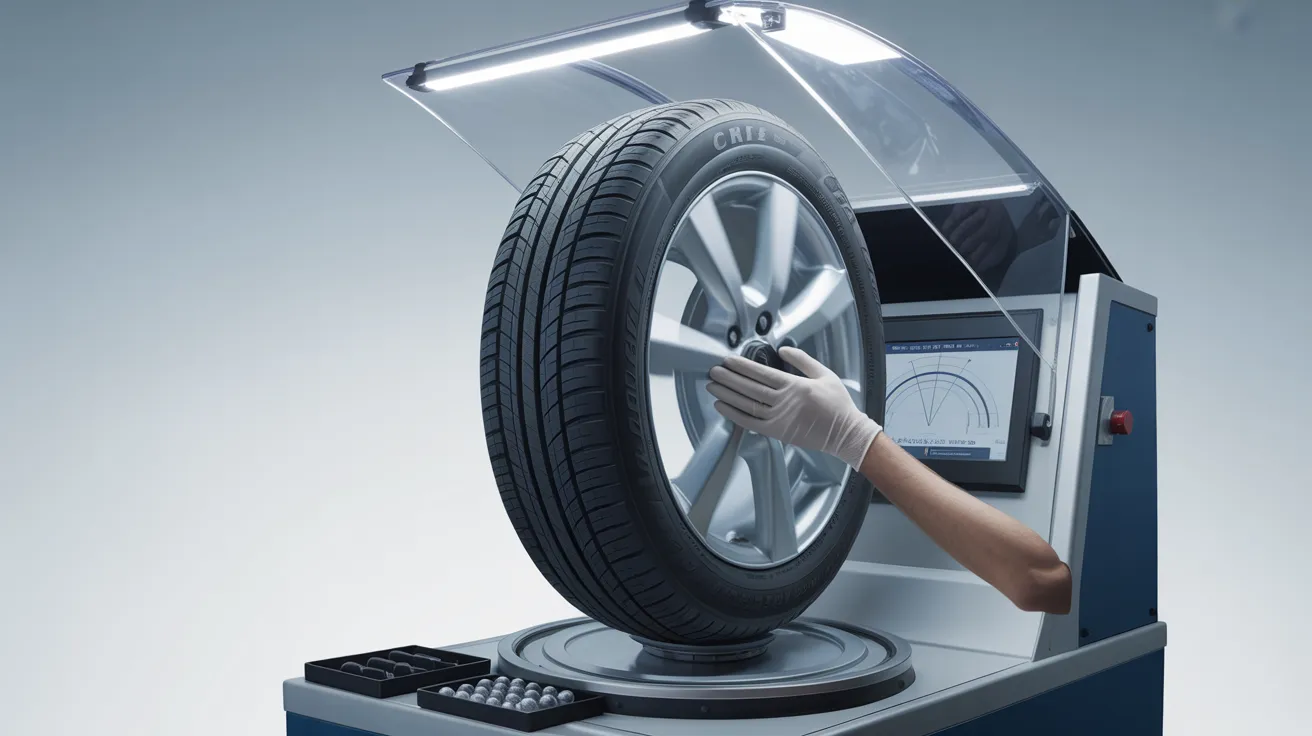
Find reliable auto repair in Houston: ASE A1-A9/L1-L3 certified technicians, Texas DMV-registered, website insurance-backed, and using factory-authorized diagnostic equipment. You'll receive comprehensive pre/post scans, exact brake measurements, professional fluid services with OEM-approved fluids, comprehensive battery/charging load tests, expert alignments, and professional road-force balancing. Rely on VIN-specific parts, OEM torque specs, regularly calibrated equipment, detailed estimates, and nationwide warranty protection. Our quality control includes second-tech verification, complete torque logs, and standardized road tests. Detailed problem analysis separate urgent safety concerns from optional maintenance-what follows demonstrates how to identify these quickly.
Core Findings
- Our expert ASE technicians are certified A1-A9 and L1-L3, and come registered with Texas DMV and insured, maintaining state-of-the-art calibrated facilities utilizing manufacturer-grade diagnostic equipment.
- Detailed, VIN-specific quotes with detailed components, service duration, technical specifications, and written distinction between safety repairs and optional upkeep.
- Comprehensive diagnostics with detailed pre/post scan documentation, plus road tests validating temperature, NVH, and load thresholds.
- We perform OEM-certified fluids and comprehensive service for alignment, brakes, charging systems/batteries, suspension, tires, HVAC, and emissions components, all verified by our thorough second-technician quality verification protocol.
- Nationwide parts warranty detailing warranty duration, coverage details, claim processes and revised estimates for variations in service needs.
How to Select an Honest Auto Technician in the Greater Houston Region
The most efficient way to vet a Houston mechanic is to check credentials and performance data before making an appointment. Confirm ASE certifications, Texas DMV registration, and insurance coverage. Examine shop cleanliness, properly maintained tools, and torque spec documentation. Review written estimates for vehicle identification, parts sourcing, labor hours, and warranty terms. Compare diagnostic fees and diagnostic equipment (OEM vs. aftermarket). Research online reviews for patterns: repeat repairs, overselling, late completions. Confirm neighborhood reputation by questioning nearby shops and locals about dependability, not anecdotes. Obtain sample repair orders showing parts codes, itemized charges, and road test outcomes. Reach out to references and verify mileage-in/mileage-out accuracy. Assess communication: straightforward diagnostic reporting, issue diagnosis, and scheduling. Lastly, verify responsiveness-same-day follow-up demonstrates disciplined workflow and client commitment.
Essential Services Every Professional Shop Should Offer
While pricing and personality are important factors, a trustworthy Houston shop proves its value through a clear foundation of services executed to manufacturer standards. You will receive comprehensive diagnostics with factory-specified scan tools, a complete maintenance schedule, and exact torque, fluid, and calibration specs. Essential tasks include detailed brake examination with pad thickness readings, rotor runout checks, and hydraulic performance testing. Mechanics must conduct fluid changes using OEM-approved fluids and correct intervals for engine oil, engine coolant, brake fluid, transmission, and differential.
Look forward to comprehensive battery and electrical system evaluation, precision wheel balancing service, and complete alignment to manufacturer specifications. Demand thorough suspension system checks, belt and hose assessments, HVAC performance checks, and emissions readiness verification. A reliable shop road-tests vehicles and maintains detailed service records.
Clear Pricing and Dependable Warranties You Can Rely On
You should expect clear, itemized estimates that list labor hours, parts, shop supplies, taxes, and diagnostic fees prior to starting repairs. Request documented pricing so you can evaluate each cost and give permission for required services. Check for a comprehensive parts guarantee that outlines terms of coverage, mileage restrictions, and claim filing you can use throughout the country.
Transparent, Itemized Pricing
Skip the guesswork with clear, itemized estimates that spell out costs, materials, service charges, tax details, and schedules before work begins. You'll see complete details, OEM or equivalent parts specified, service time breakdowns, and testing fees up front.
We tie every entry to an approved repair protocol so you can compare apples to apples. You'll receive repair breakdowns that distinguish essential safety fixes from optional maintenance, with information on condition, tolerances, and wear assessments. If you approve, we translate the estimate into itemized invoices without any hidden charges.
Count on pricing specific to your VIN along with torque requirements and also flat-rate labor times. When situations vary, we'll send an updated quote for your approval. You maintain control, understand all costs, and eliminate surprises.
National Parts Warranty Coverage
With nationwide-backed coverage, the parts we install carry a complete warranty recognized at certified locations across North America. You're fully protected whether you're commuting in Houston or taking a cross-country trip. We carefully document the warranty term length, mileage restrictions, and covered parts in each service document, ensuring you know precisely what's covered nationwide.
If a component fails within the stated period, you may begin warranty claims with us directly or any authorized location. Provide your invoice, authorize diagnosis, and the system processes eligible replacement and labor based on program specifications. Everything is straightforward-certified components are matched with OEM or high-grade aftermarket specs, and labor times follow industry-standard guides. You'll receive detailed instructions, quick turnaround, and documented resolution. That's reliable security you can depend on, wherever your journey leads.
Certifications and Training That Matter
While cost and accessibility matter, professional credentials and education are the true indicators of if a Houston auto shop has the capability to diagnose and fix vehicles following factory guidelines. You should check ASE certifications for important categories: A1-A9 for automotive, L1 for advanced engine performance, L2 for diesel, and L3 for hybrid/electric. These certifications validate a technician's technical competence and understanding of maintenance protocols, torque requirements, and software operations.
Confirm manufacturer training with the brands you service-GM, Ford, Toyota, Honda, Stellantis, BMW, Mercedes-Benz, and other manufacturers. OEM programs cover CAN bus diagnostics, immobilizer and key programming, ADAS calibration, network topology, and module coding using authorized scan tools and software. Request information on access to OEM repair portals, calibration equipment, and continuing education intervals. With verified training, you reduce comebacks, protect warranties, and maintain vehicle value.
Swift Completion Without Quality Trade-offs
Minimize service interruptions with structured processes, not shortcuts. You get rapid repairs as technicians follow standardized diagnostics, staged parts availability, and scheduled procedures. Technical advisors establish decision trees, so techs progress from inspection to execution without idle gaps. Factory scan tools, torque specifications, and repair databases inform each step, preventing rework.
Quality assurance functions simultaneously, not as an afterthought. A second-tech inspection confirms diagnostic completions, fluid level settings, and correctly torqued fasteners. VIN-matched parts confirmation avoids fitting errors. Test drives utilize designated courses to validate weight specifications, temperature levels, and comfort benchmarks. You depart with verification records: scan data, fastener records, and specification verifications. That's how we ensure rapid reliable service-quality procedures that optimizes duration while ensuring compliance, safety, and dependability.
Smart Maintenance Strategies to Reduce Repair Expenses
By treating maintenance as systematic risk prevention, you stop small variances from escalating into failures. Begin by following the basics: check fluids monthly, track wear metrics, and record service intervals. Plan fluid flushes for transmission, coolant, power steering, and brake systems according to manufacturer specifications; degraded fluid increases corrosion, heat, and seal failure. Refresh engine oil on time, not by guesswork-confirm with the maintenance monitor and driving conditions.
Inspect brakes at every 6,000 miles; assess pad thickness and rotor runout. Perform tire rotation at 5,000-6,000 miles to equalize tread wear and keep alignment accuracy. Test the battery at full power and sanitize terminals to minimize resistance. Switch out cabin and engine air filters as specified. Monitor for fault codes regularly; address minor alerts before they cascade.
Frequently Asked Questions
Do Houston Auto Shops Provide Loaner Cars or Shuttle Services While Repairs Are Done?
Yes. Many Houston shops provide temporary vehicles and shuttle assistance to maintain your mobility throughout the repair process. Loaner vehicles are usually available during major services or warranty-covered repairs; access varies based on vehicle inventory, coverage, and booking status. Transportation services typically operate within a defined radius and scheduled windows. Check qualification criteria, required documents, fuel guidelines, mileage restrictions, and insurance requirements. Make reservations early, since busy times and repair delays may limit availability.
How Do I Handle Disputes With a Repair Shop in Texas?
Begin by documenting your grievance in writing-outlining who, what, when, why-applying focused detail, not a sledgehammer approach. Establish a paperwork record including: pricing, permission, invoices, photos, communications, repair records. Create a specific resolution schedule: ask for feedback in 10 days, then proceed further. Mail a certified demand letter mentioning Texas Deceptive Trade Practices Act. If not settled, submit with the Texas Department of Licensing and Regulation, your card issuer (if applicable), and small claims court. Keep parts and chain-of-custody.
Does Houston Offer Eco-Friendly Vehicle Repair Services?
Yes. You can select service centers that specialize in hybrid maintenance, low‑VOC products, and energy‑efficient procedures. Check whether they work with recycled fluids (engine oil, coolant, transmission fluid) compliant with industry specs, and verify closed-loop recycling. Ensure the use of remanufactured parts, tire retreading, and proper battery core return. Verify they practice waste segregation, EPA-compliant disposal, and documented emissions controls. Check the facility's ASE/L3 credentials, equipment calibration logs, and service warranties to confirm eco‑friendly, high-performance outcomes.
What Neighborhood-Specific Towing Partnerships Are Available for Faster Response Times?
You can expect area-specific towing agreements throughout Houston's main neighborhoods to reduce response times. Multiple companies have Area tow contracts in Houston's prime districts, utilizing geo-fenced trucks for prioritized dispatch. Neighborhood partnerships utilize predetermined paths, shared radio channels, and flat-rate tiers to bypass peak-time slowdowns. You may opt for immediate delivery to designated spots, overnight controlled admission, and documented handoff. Check SLA goals (15-25 minutes), geographical reach, holding costs, and liability conditions prior to approval.
Can I Supply My Own Parts and Will Shops Install Them?
Bringing your own parts is allowed, and many shops will install them-about 45% allow customer-supplied components. Know that strict rules apply: you'll take responsibility for component compatibility, installation, and functionality, and repair centers usually won't cover aftermarket warranty issues. Service warranties might be constrained or invalidated if issues stem from your components. Provide OEM numbers, torque requirements, and material specifications. Ask for a pre-inspection and written disclaimer before authorization.
Closing Remarks
As you pull into a trusted Houston repair facility, you notice pristine repair stations operating, torque wrenches clicking, and modern analyzers detecting problems with precise accuracy. You obtain clear estimates, OEM parts, professionally trained technicians, and comprehensive warranties. Oils stay clean, belts align properly, brake systems work efficiently-because routine checks are normal protocol, not secondary concerns. You depart on schedule, free of rattles, no warning indicators, just a steady idle and confident throttle. Select that level of service, and your automobile-and wallet-performs smoother, extended, optimally.